Samba and Brazil go hand in hand and is as much a product of colonial slavery as the blues in the USA. The word samba itself almost certainly comes from an African word, 'semba', meaning to pray or call up the spirits.
Like capoeira, samba was a way of hiding their culture from the Portuguese plantation bosses and the music found protection under the wing of early matrons of samba, old black mamas who organized sessions in their homes. Yet the police still raided the jam sessions from time to time, especially a samba matured into a political and social movement, the lyrics encouraging the poor to take their lives into their own hands.
One early samba musician, Angenor de Oliveira, said:
"In my childhood, we played the Samba in the backyards
of the old ladies, whom we call ‘tias’ (aunts),
and the police stopped us often, because the Samba, then, was
considered a ‘thing’ of bums and bandits."
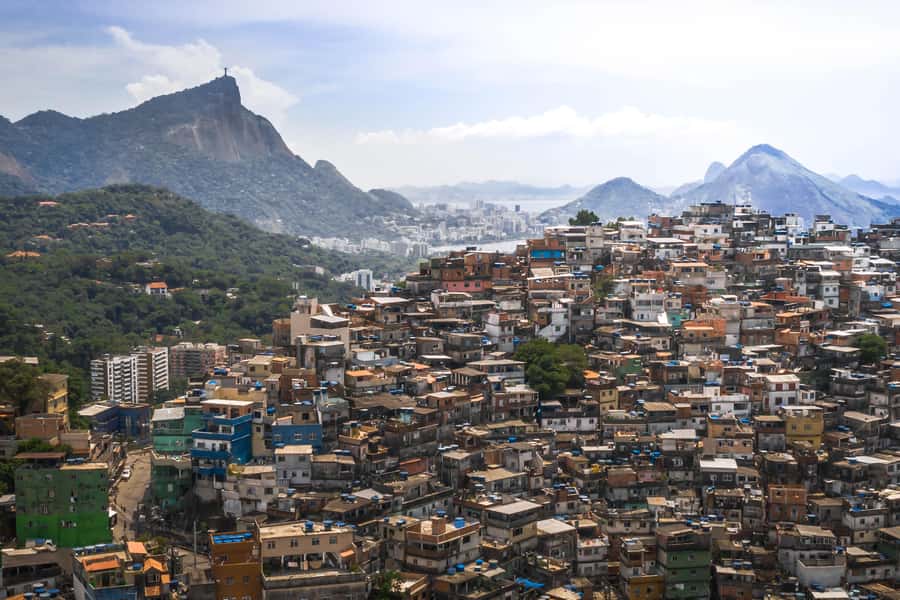
Samba is also the base of the Rio Carnival and the amazing dances put on for the millions of tourists who flock to Rio every February. As spectacular as the parade is, it's a far cry from the humble origins of the samba processions which began in the favelas but where no one now can afford the carnival tickets.
The music of samba itself is alive and well in Brazil though, especially in Rio where performers often gather for impromptu shows in small street cafes and a crowd gathers to sing the chorus. There are cool little samba clubs and everyone inside will be shaking to the off-beat. With guitars, tambourines and even the triangle, there are few musical styles that match samba for its infectious rhythm.
That kind of samba doesn't sell quite as well as the images of large-breasted women vibrating their bodies in bikinis though so it's likely that few people will come to know samba as other than a south american strip tease unless they actually go there.