home - girls - video - this site is for sale -

The Roots of Racism in Samba in Brazil

sexy samba girl in rio

There are so many shades of skin colour in Brazil that you would be forgiven for thinking that racism couldn’t exist – if only because it would be too difficult to work out who was which colour. At least that’s the kind of empty liberal truth most guidebooks would like to present.

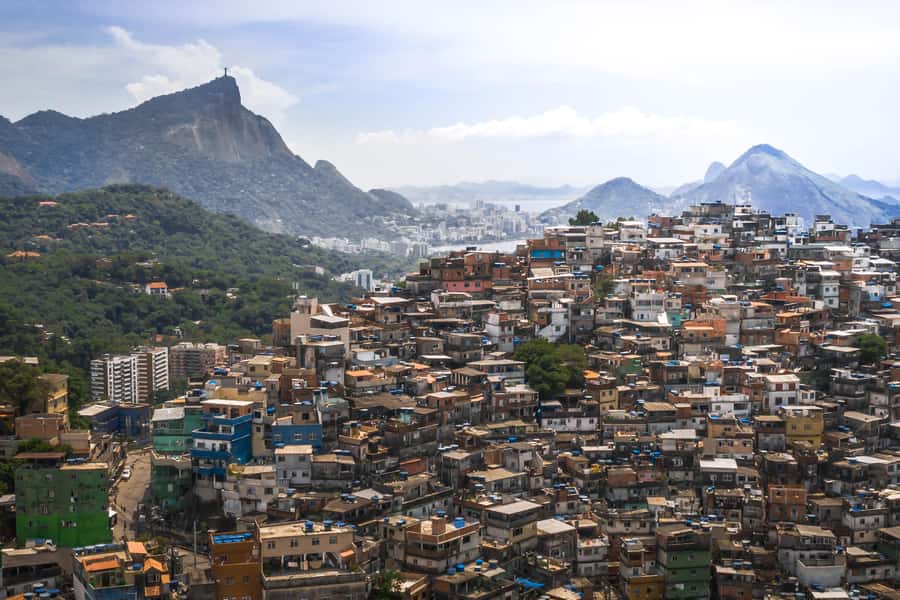
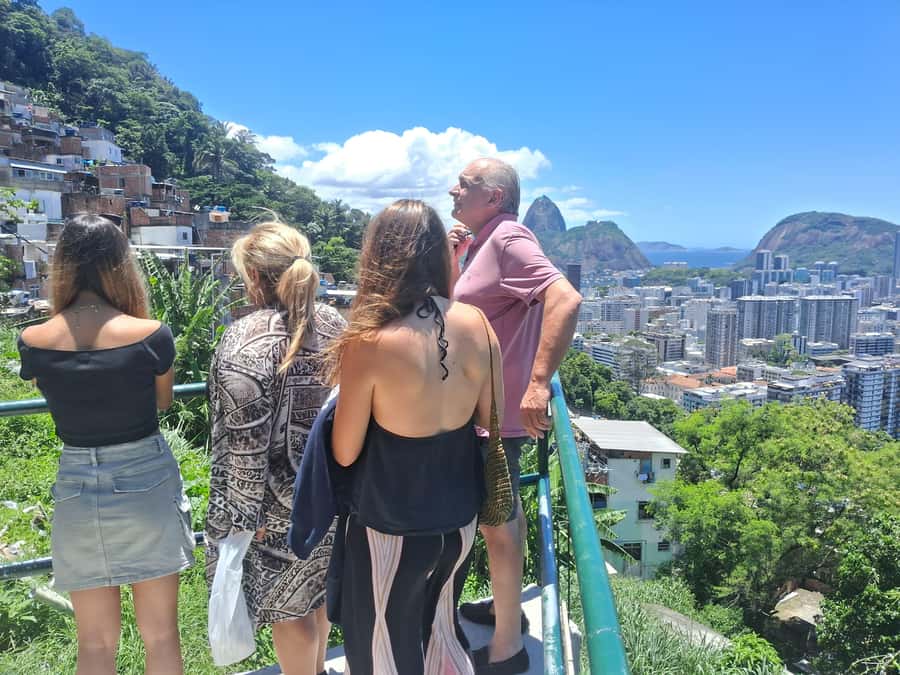
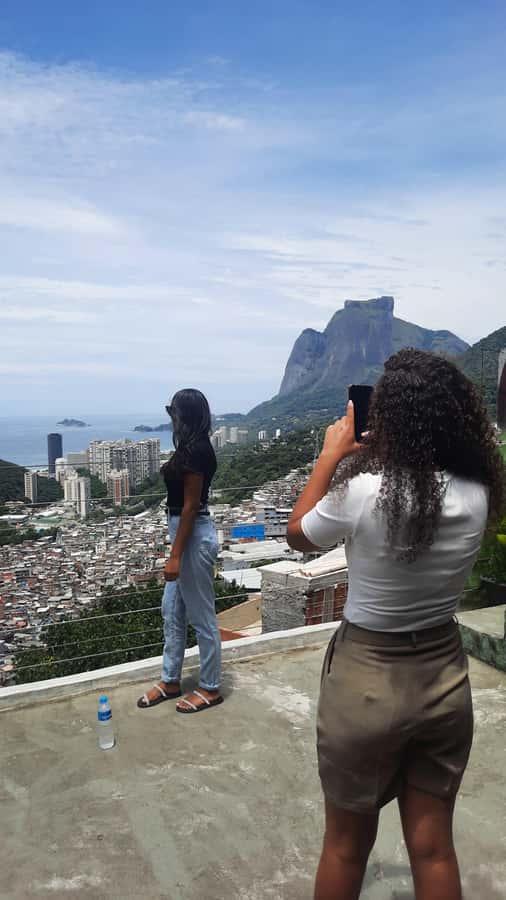
The truth is that while there’s no big deal about being white it’s definitely a social disadvantage to be black. The favelas in Rio de Janeiro and Sao Paolo are around 70% black and the rich in all the main cities are predominantly light-skinned. That’s the kind of detail the tourist never gets to really appreciate as they stroll down the street.

The racism in Brazil is largely unspoken yet it’s everywhere. The people performing the worst-paid jobs in Rio and Sao Paolo – the doormen in the apartment blocks, the maids – are very often from the poorer North East. When a black man steps on a bus or into a shop, people draw their bags closer to them – with reason, actually, as most of the robberies are conducted by organised gangs from the favelas. No one will give them a job so they redistribute the wealth on their own.

The subtle racism that pervades Brazilian society even affects the way they feel about one of Brazil’s greatest art forms: samba. Samba has it’s roots in West Africa and comes from a word connected with the summoning of African deities called orishas. The Catholic Portuguese masters tried to convert their slaves by force and so the ritual dances for the spirits were hidden under the guise of praising the saints.

Samba migrated to Rio around the turn of the 20th century as people came looking for work. Naturally they had no money and so built their own houses out of whatever they could find on the precarious hills overlooking the neighbourhoods of Rio. The rodas de samba, the samba sessions, were held in the back yards of fat, old women from Bahia known affectionately as tias, or aunts. Even then though the police suspected them of being up to no good and the parties were often broken up by force.

One of the early samba greats, Angenor de Oliveira, once said:

"In my childhood, we played the Samba in the backyards of the old ladies, whom we call ‘tias’ (aunts), and the police stopped us often, because the Samba, then, was considered a ‘thing’ of bums and bandits."

On the weekends the favela communities met to dance in the street and generally run amok, letting out the tension of the daily struggle for survival. In time the lyrics too began to reflect their social disadvantages and samba became a music of protest and self-expression – much like the blues in North America.

In present times this tradtion is kept alive by artists like Beth Carvalho who sings:

“Quando un rico morre,
Foi Jesus quem levou,
Quando un pobre more,
Foi cachaca que matou!

(“When a rich man dies young, it was Jesus that carried him away,
When a poor man dies, it was aguardiente that killed him!”
)

The present day samba schools descend from these early meetings and still now they are mostly based in the favelas. For an educated, white Brazilian to study samba is still considered a little eccentric and their families wouldn’t like them to spend time in those areas. Many look down on such African roots and prefer to embrace North American culture in a kind of cultural snobbery.
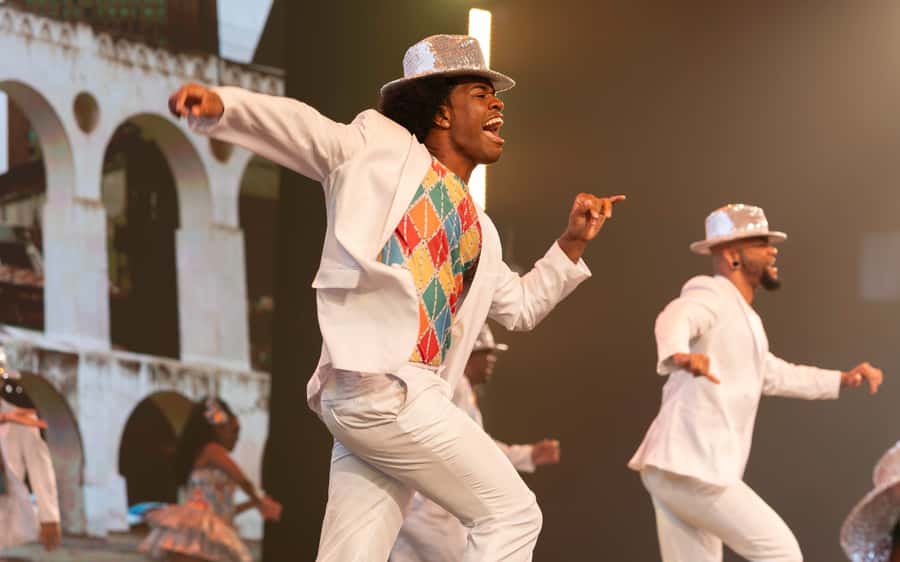
The Rio carnival parades originated from the performances of these early samba blocks and is now a huge money spinner for the city. The irony is that no one from the favelas could afford a seat to watch the processions.

Without the African roots in the Americas we wouldn’t have samba and hence bossa nova and forro. We also wouldn’t have jazz, the blues and hence all the rock and roll that followed. Yet the money from these movements was almost entirely made by the promoters and whiter acts that followed.

Brazil is more tolerant to racism than most cultures but the legacy of violence, drug wars and their connection with skin colour is hard to shake. Still, there are few people left like my landlady who was shaking her head at the apparent fascination of tourists with black girls:

“I don’t like the negros.” She told me. “They smell.”